SEU PEDIDO
Seu carrinho está vazio
Comece a adicionar peptídeos de pesquisa ao seu carrinho.
VOCÊ TAMBÉM PODE GOSTAR
Seu carrinho está vazio
Comece a adicionar peptídeos de pesquisa ao seu carrinho.
VOCÊ TAMBÉM PODE GOSTAR
Triple Receptor Research Peptide
QUICK ANSWER
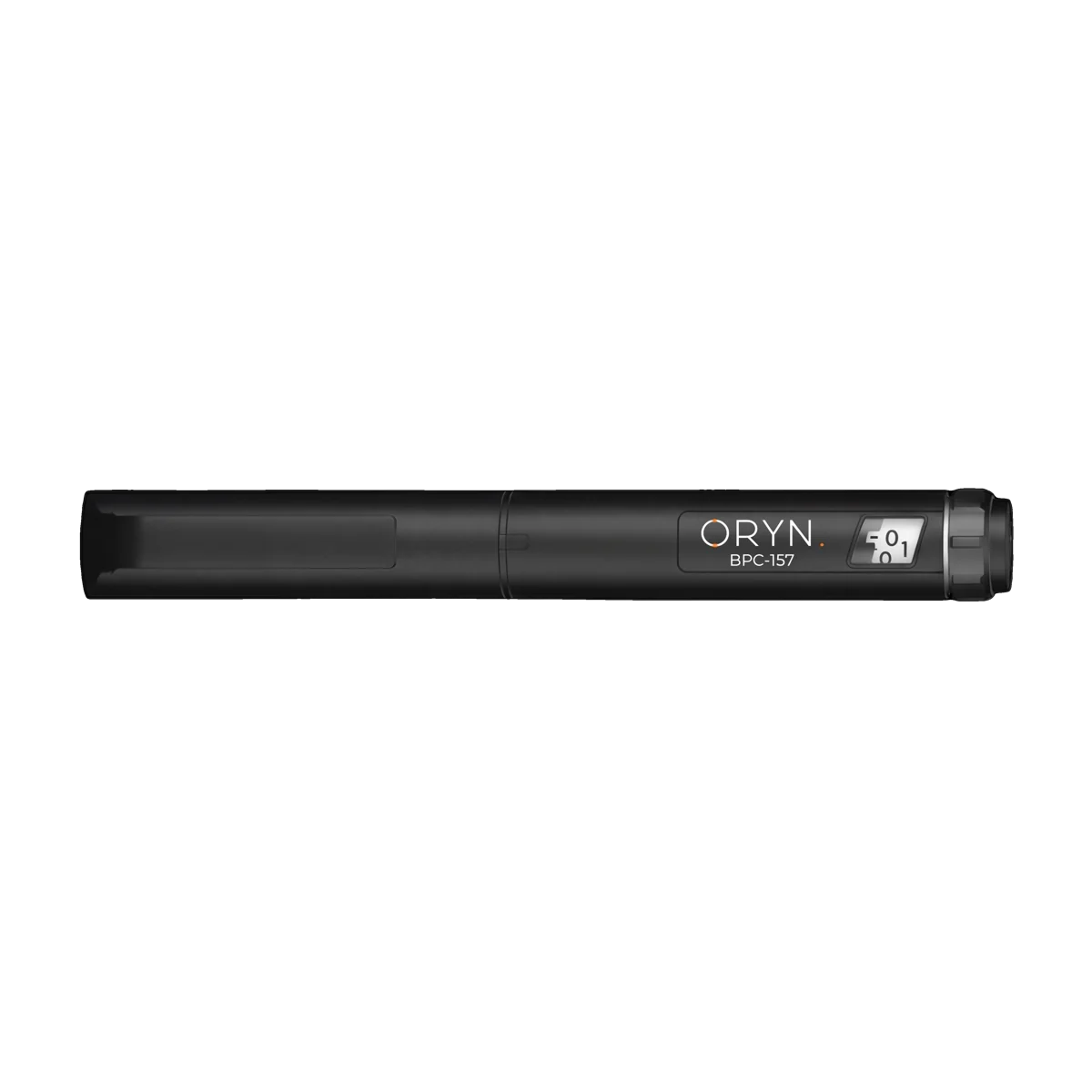
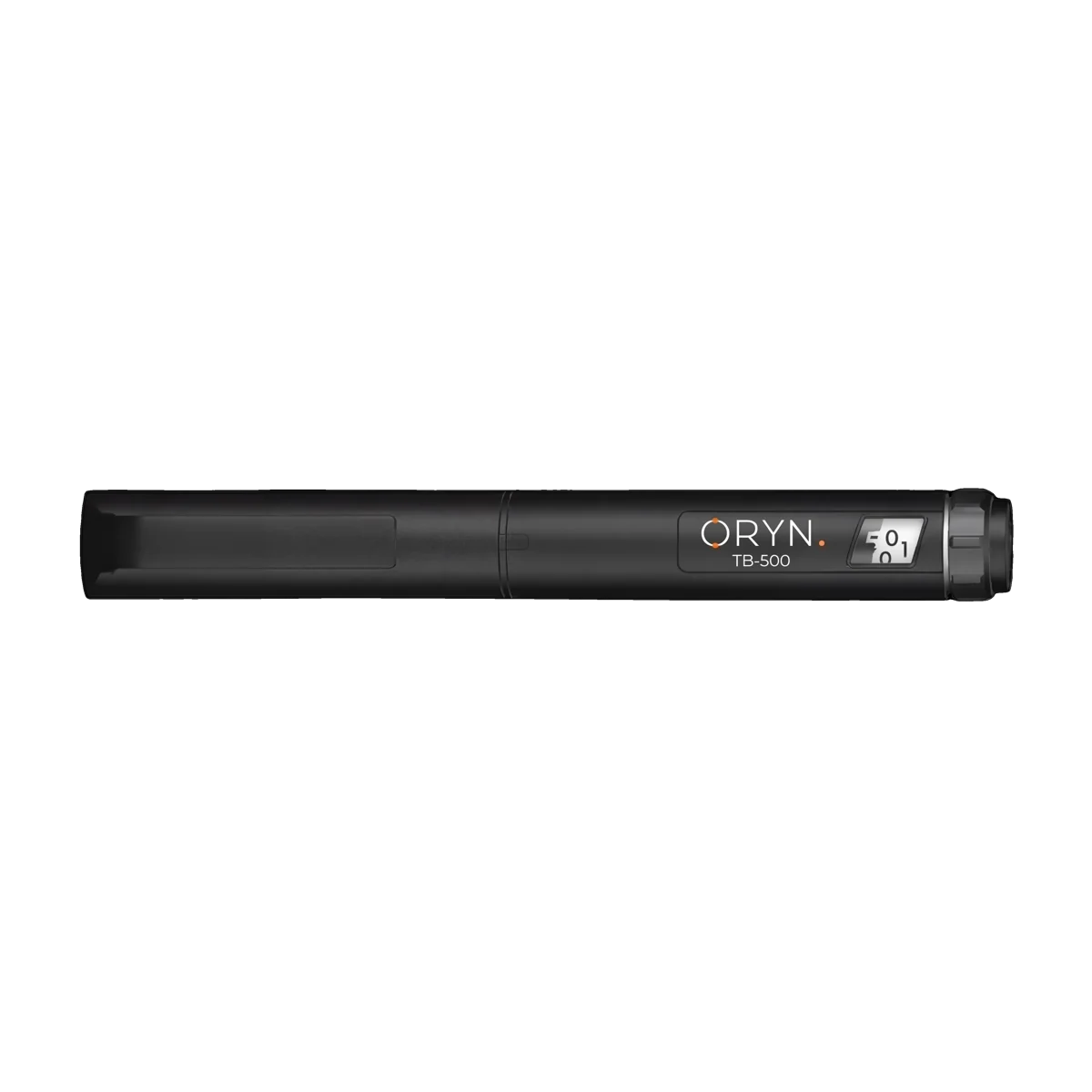
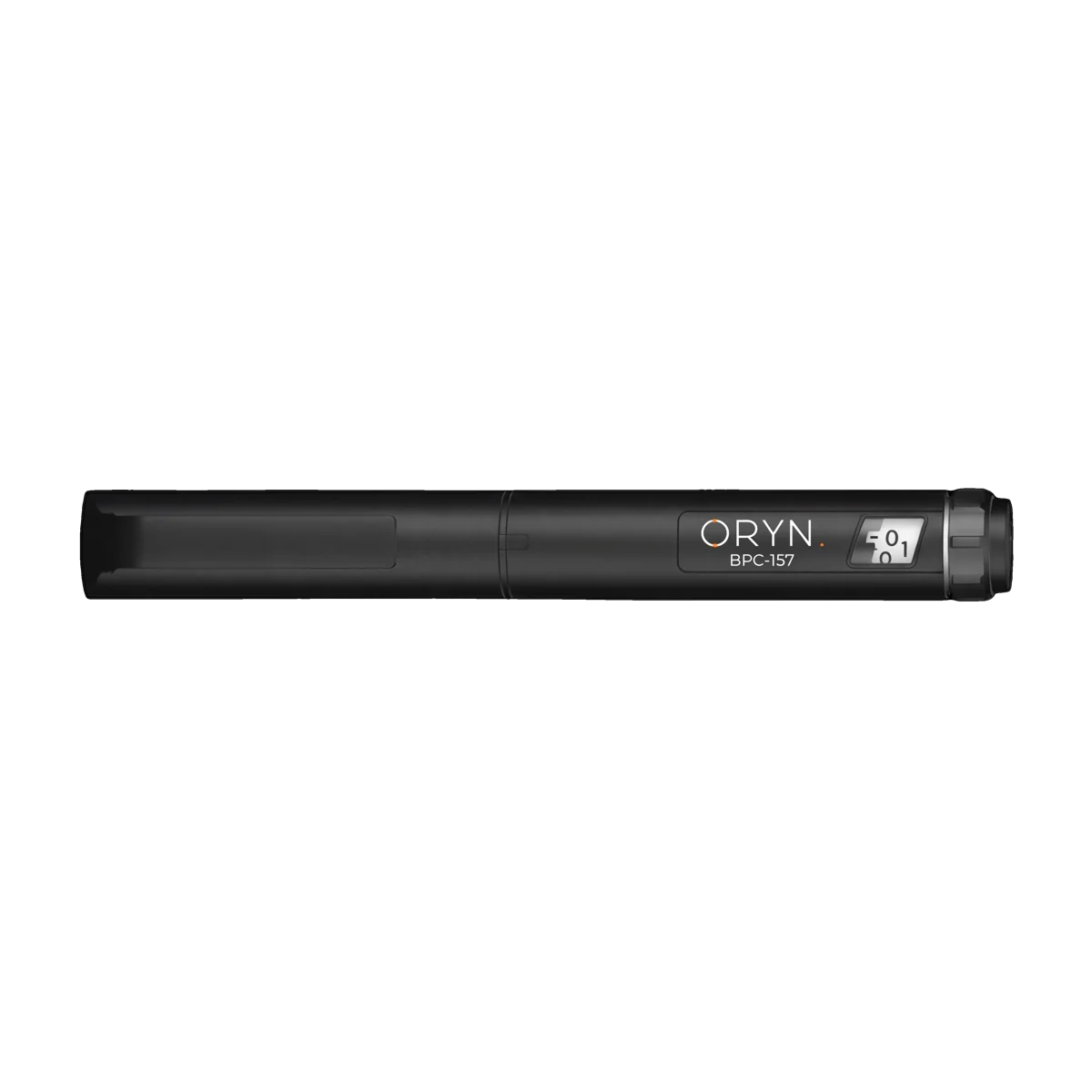
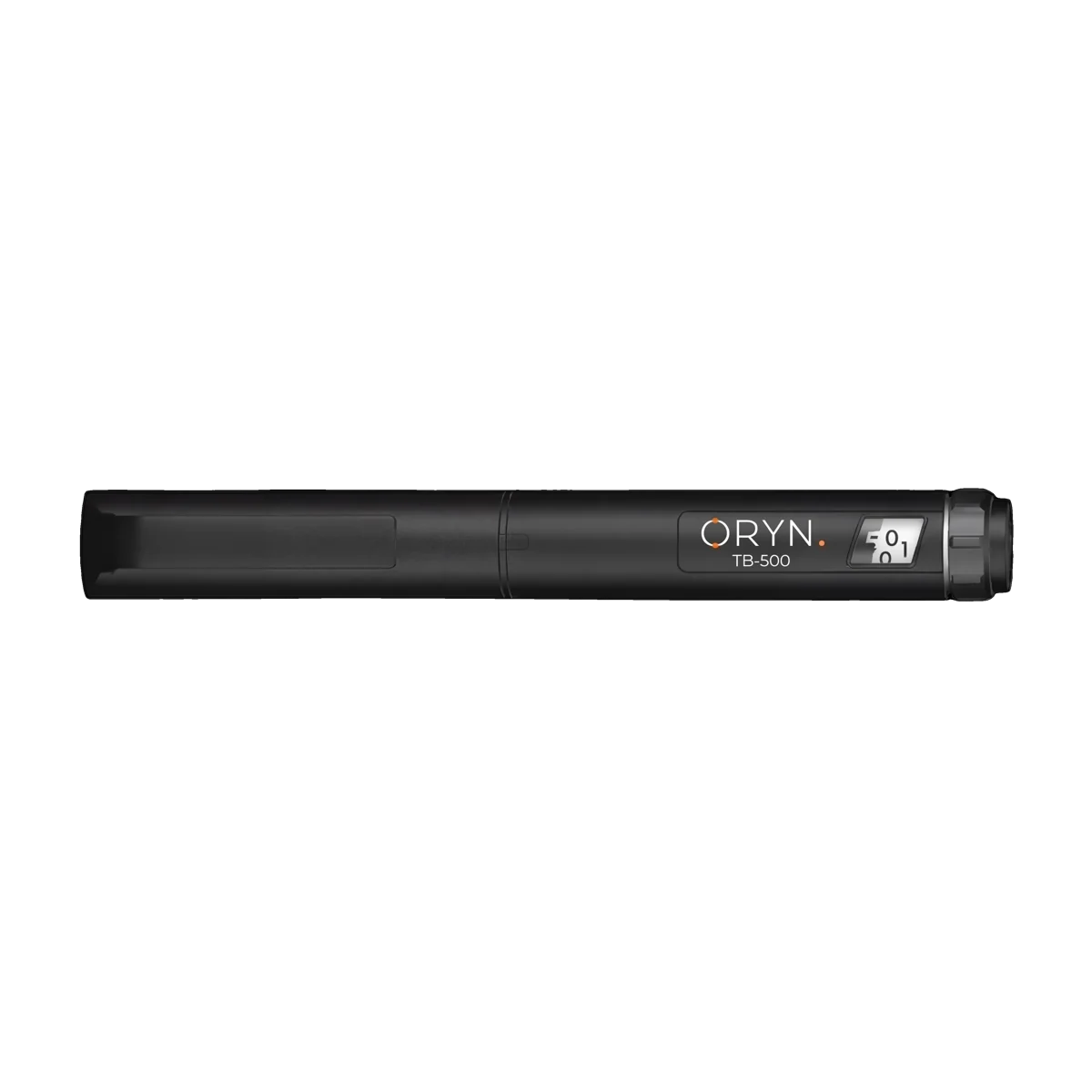
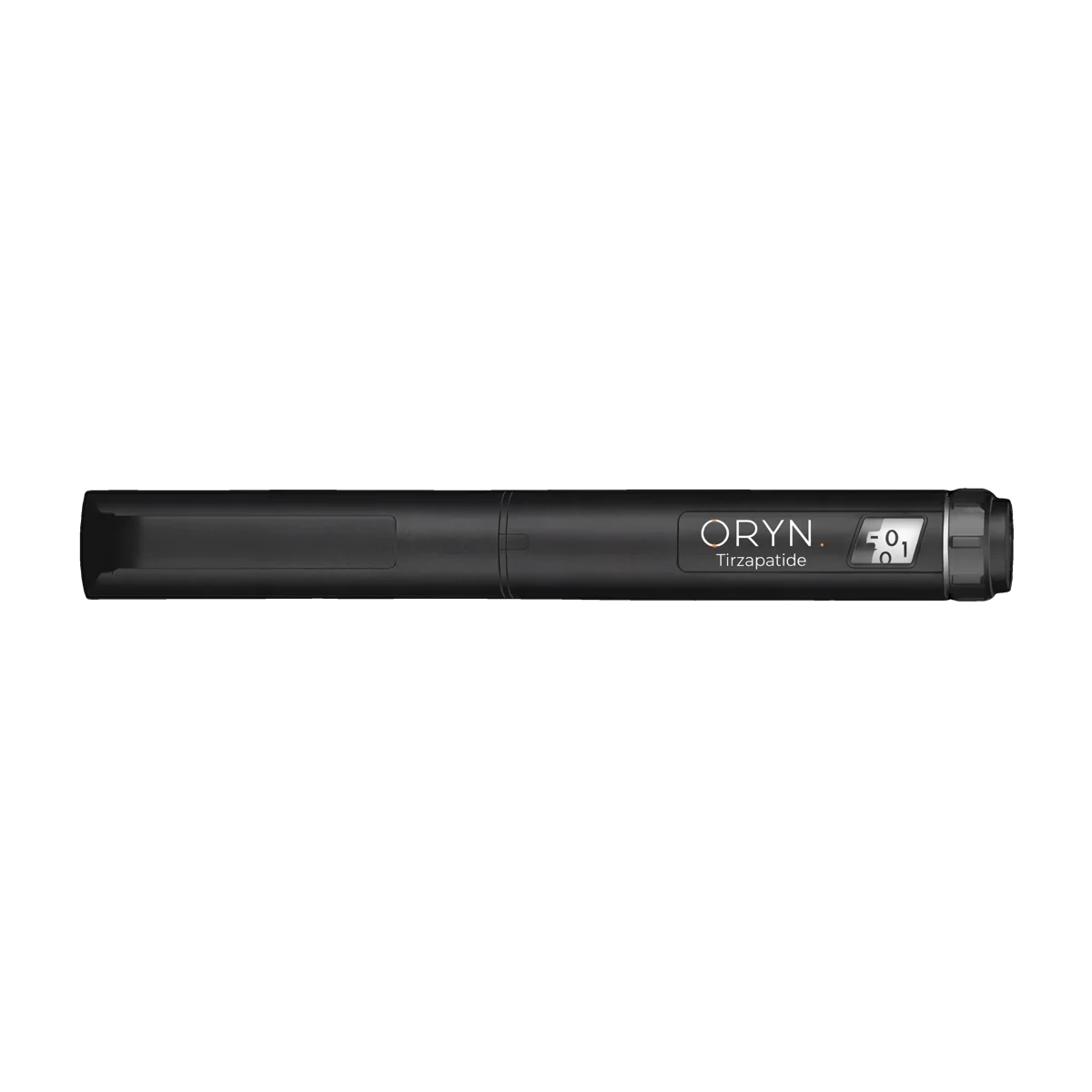
Retatrutide (triple receptor research peptide) is a >99% purity research compound. A triple receptor agonist (GLP-1 / GIP / Glucagon) investigated in early-phase metabolic research. Studies suggest Retatrutide may modulate appetite, glucose homeostasis, and energy expenditure through three independent incretin pathways. ORYN delivers Retatrutide in a precision-dosed reusable pen starting from EUR 169. All products are for research purposes only.
MOLECULAR PROFILE
FORMULA
C205H316N56O63S2
WEIGHT
4611.09 Da
CLASSIFICATION
Triple Hormone Receptor Agonist (GIP/GLP-1/Glucagon)
STUDIES CITED
4 key studies
Retatrutide (LY3437943) is a single-molecule triple agonist that simultaneously activates three incretin and metabolic hormone receptors: the glucose-dependent insulinotropic polypeptide receptor (GIPR), the glucagon-like peptide-1 receptor (GLP-1R), and the glucagon receptor (GCGR). This triple mechanism differentiates it from dual agonists like tirzepatide, which target only GIP and GLP-1 receptors.
READ FULL MECHANISM →2023
Retatrutide, a GIP, GLP-1 and glucagon receptor agonist, for people with type 2 diabetes: a randomised, double-blind, placebo and active-comparator controlled Phase 2 trial
Demonstrated dose-dependent HbA1c reductions of up to 2.02% and body weight reductions of up to 16.9% at 36 weeks in participants with type 2 diabetes, with a safety profile consistent with incretin-based therapies.
2023
Triple-hormone-receptor agonist retatrutide for obesity: a Phase 2 trial
Published in the New England Journal of Medicine, this Phase II trial showed up to 24.2% body weight loss at 48 weeks in participants with obesity, the highest weight reduction reported for any single-agent anti-obesity therapy at the time.
2024
Effects of retatrutide on hepatic steatosis in participants with obesity
Post-hoc analysis of Phase II data revealed that retatrutide reduced liver fat content by over 80% in participants with MASH, with a significant proportion achieving complete resolution of hepatic steatosis.
2021
Glucagon receptor agonism enhances energy expenditure and lipid oxidation in preclinical models of metabolic disease
Preclinical studies supporting the triple-agonist rationale demonstrated that glucagon receptor activation increases hepatic lipid oxidation, thermogenesis, and total energy expenditure, complementing the appetite-suppressive effects of GLP-1R agonism.
Retatrutide was developed by Eli Lilly and Company as a next-generation metabolic peptide therapy. The rationale for triple agonism emerged from the clinical success of tirzepatide (a GIP/GLP-1 dual agonist), combined with preclinical evidence that adding glucagon receptor agonism could enhance energy expenditure and hepatic lipid metabolism beyond what dual agonism achieved.
FULL RESEARCH HISTORY →A triple receptor agonist (GLP-1 / GIP / Glucagon) investigated in early-phase metabolic research. Studies suggest Retatrutide may modulate appetite, glucose homeostasis, and energy expenditure through three independent incretin pathways. ORYN Retatrutide delivers 5mg/3ml in a reusable pen system with precision dosing for 30 days.
PURITY
>99%
FILL VOLUME
3 mL
DOSAGE
5 mg
FORMULATION
Pharma Grade
DOSING PERIOD
30 Days
STERILIZATION
0.22um Filter + Gamma Ray
Retatrutide is a triple-agonist peptide that activates GIP, GLP-1, and glucagon receptors simultaneously, while tirzepatide is a dual agonist targeting only GIP and GLP-1 receptors. The addition of glucagon receptor agonism in retatrutide is designed to increase hepatic energy expenditure and lipid oxidation, potentially producing greater weight loss and liver fat reduction. Phase II data showed up to 24.2% body weight loss with retatrutide, compared to approximately 22.5% with tirzepatide at similar timepoints.
The Phase II trial published in the New England Journal of Medicine in 2023 showed dose-dependent weight loss of up to 24.2% at 48 weeks in participants with obesity but without diabetes. This exceeded results from all previously reported single-agent anti-obesity therapies. The most common adverse events were gastrointestinal (nausea, diarrhoea, vomiting), consistent with incretin-based mechanisms.
Glucagon receptor activation stimulates hepatic glycogenolysis, lipid oxidation, and thermogenesis, increasing total energy expenditure. This complements the appetite suppression from GLP-1R agonism and the insulin-sensitising effects of GIPR agonism. The glucagon component is particularly relevant for reducing hepatic steatosis (fatty liver), as it directly promotes liver fat catabolism, an effect not achieved by GLP-1 or GIP agonism alone.
Following positive Phase II results, Eli Lilly initiated the Phase III TRIUMPH clinical programme, evaluating retatrutide across obesity, type 2 diabetes, and MASH indications. These large-scale trials are expected to provide the data necessary for regulatory submissions. Retatrutide is administered as a once-weekly subcutaneous injection due to its fatty acid acylation enabling extended plasma half-life.
RESEARCH PURPOSES ONLY. All content on this page is intended for informational and educational purposes for qualified researchers. ORYN products are not approved as medicines and are not intended for human therapeutic use. Do not use ORYN products for self-administration. Consult relevant regulations in your jurisdiction.