SEU PEDIDO
Seu carrinho está vazio
Comece a adicionar peptídeos de pesquisa ao seu carrinho.
VOCÊ TAMBÉM PODE GOSTAR
Seu carrinho está vazio
Comece a adicionar peptídeos de pesquisa ao seu carrinho.
VOCÊ TAMBÉM PODE GOSTAR
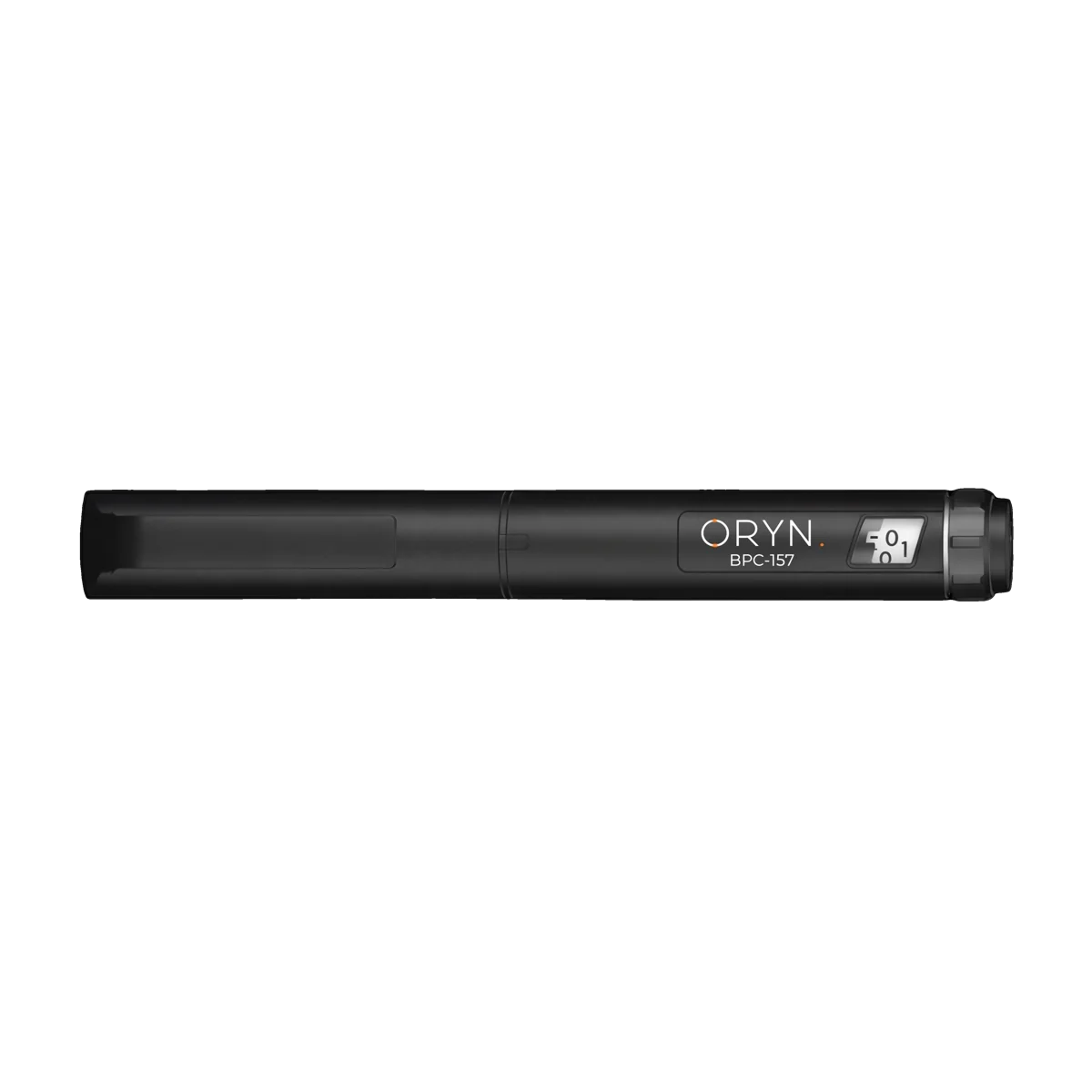
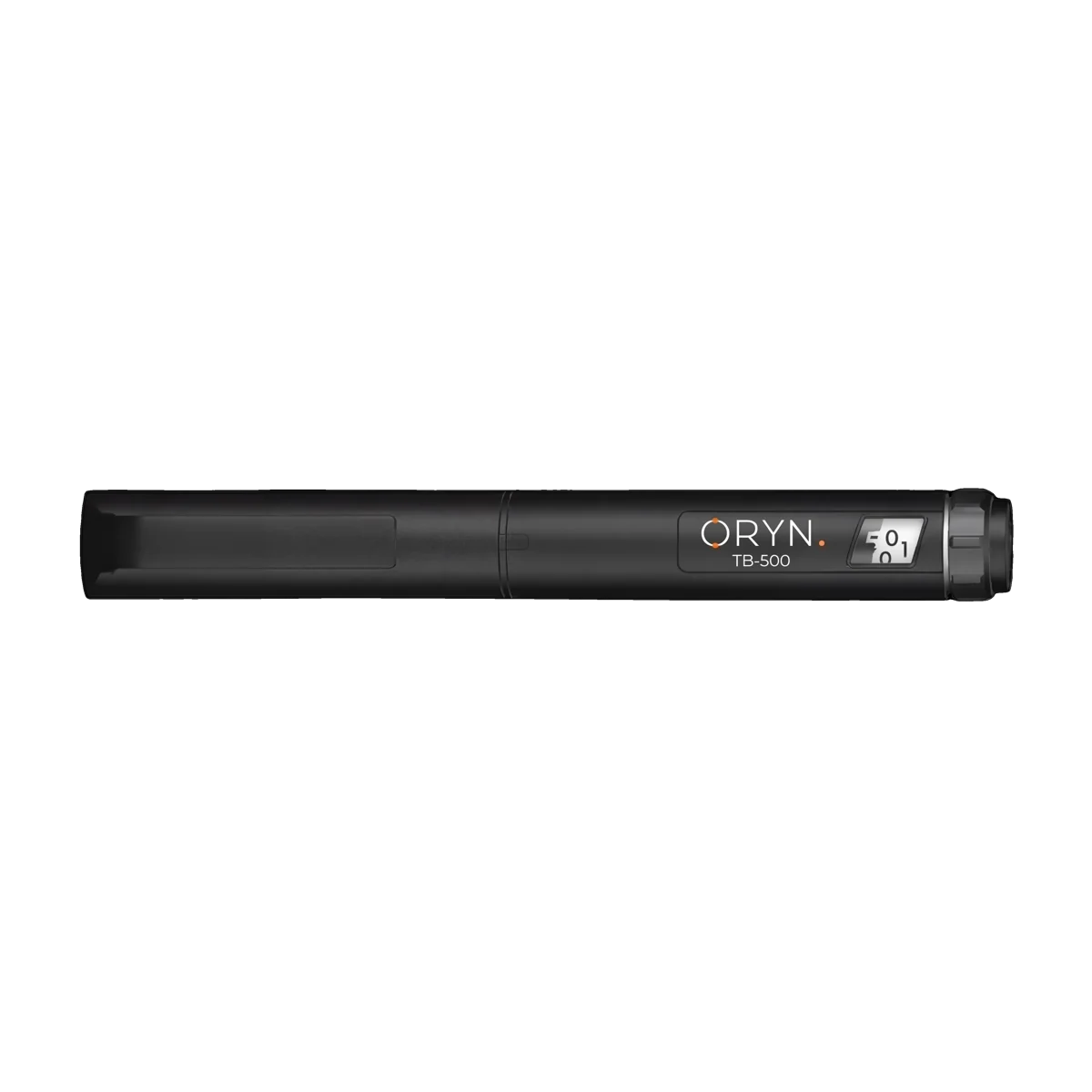
Ten rules for safe handling of ORYN peptide pens in a research context. These are not aspirational guidance — they are the minimum standard that every ORYN customer is expected to follow. They exist because research integrity, researcher safety, and regulatory compliance all depend on basic aseptic technique and clear research-use boundaries.
Every ORYN peptide pen is labelled "for research purposes only — not for human consumption" and shipped with a Certificate of Analysis. ORYN does not provide dosing, therapeutic, medical, or self-administration guidance of any kind. Qualified research supervision is required at all times. This is not a policy preference — it is a legal boundary we never cross, and it protects you, the researcher, from regulatory risk.
Pen needles are engineered for a single insertion. Reusing them dulls the bevel (causing tissue damage and pain), compromises sterility (introducing contamination), and can generate microscopic barbs that shear off inside the tissue. Pen needles cost roughly €0.10 each in bulk — the economics of reuse do not justify the risk.
Used pen needles are clinical sharps waste and must go into an FDA/CE-marked sharps container, never into regular household rubbish. Most EU countries, the UK, and every major US metro operate free pharmacy-based sharps take-back schemes. Unscrew the needle directly over the sharps bin — never recap a used needle, because recapping is the single most common cause of accidental finger-stick injuries.
Do not put the plastic cap back on a used needle. Do not attempt to break off the needle. Do not squeeze a used pen to remove "extra" solution. All three of these actions either risk a finger-stick injury or damage the cartridge seal and compromise sterility for the next use.
Wash hands with soap and water before handling the pen, clean the benchtop with isopropanol, and wear disposable nitrile gloves if you are working with a protocol that requires barrier precautions. Swab the injection site with an alcohol wipe and let it dry for 5–10 seconds before needle insertion. Aseptic technique is the single biggest lever on contamination risk.
Freezing damages the cartridge seal and crystallises the peptide solution. Direct heat above 25 °C accelerates degradation. Direct sunlight causes photo-oxidation of aromatic amino-acid side chains. Refrigerated 2–8 °C is the only approved storage condition. See the full storage protocol for details.
Every ORYN pen carries a unique batch ID printed on the cartridge and carton. Record the batch ID alongside every research administration in your lab log — this is essential for reproducibility, auditability, and any downstream publication. If you ever need the full batch documentation (HPLC chromatogram, LC-MS identity, endotoxin report), contact ORYN support with the batch ID.
Pens are single-researcher devices. The rubber seal on the cartridge is pierced by every needle attachment, and over time microbial biofilm can establish on the seal surface. Sharing a pen across researchers compounds that risk. Buy one pen per researcher per protocol.
If a pen shows visible damage (cracked cartridge, dislodged plunger, bent body), cloudy solution, discolouration, particles, or if the dial clicks feel loose or sticky, stop using it immediately and contact ORYN support for a replacement. Never improvise a repair — the injection mechanism cannot be serviced in the field.
Carry peptide pens in cabin luggage, never checked luggage (cargo holds can drop below 0 °C). Keep the Certificate of Analysis printout in your bag in case of customs or security inspection. Use a Frio pouch or insulated cool bag with pre-chilled (not frozen) gel packs for temperature control during transit.
THE RESEARCH-ONLY BOUNDARY
Peptide research sits inside a well-defined legal framework across every market ORYN ships to. In the UK, the MHRA regulates medicinal products but not research chemicals sold for laboratory use. In the EU, the EMA operates the same distinction. In the US, the FDA enforces therapeutic-claim marketing but permits research-use sales. In Brazil, ANVISA's jurisdiction is defined by intended use.
The boundary that keeps every ORYN product on the legal side of every regulator is the research-only positioning: no therapeutic claims, no dosing guidance for humans, no before-and-after photos, no testimonials from non-researchers, no medical recommendations. Cross that boundary and you are selling an unauthorised medicine. Stay inside it and you are selling research chemicals to qualified researchers.
ORYN stays inside it, always. If you are a researcher looking for published protocols, your starting points are the ORYN peptide encyclopedia and the peer-reviewed literature. ORYN cannot tell you how much to inject — that's between you, your protocol, and your research supervisor.
How to Use
Complete 9-step guide to using an ORYN peptide pen: removal from fridge, cartridge inspection, needle attachment, priming, dialling, injection and disposal. Research use only.
Storage
Keep ORYN peptide pens at 2–8 °C. Never freeze. 24 months unopened, 30 days in use. Room-temperature excursions and travel guidance for research fieldwork.
Needles
ORYN peptide pens accept standard Luer-style insulin pen needles in 29G–34G, 4–8 mm. Full compatibility table for BD Micro-Fine, NovoFine, Ypsomed Clickfine, Terumo, Owen Mumford.
FAQ
Full FAQ for ORYN peptide pens: technology, accuracy, pen vs vial, needle choice, storage, freezing, travel, sharps disposal, batch traceability, click increments.
Technology
How the ORYN peptide pen works: factory-calibrated ratcheting screw-gear, <2% dose variance, sealed glass cartridge, 0.22 μm filtration + gamma sterilisation. GMP + ISO 7 cleanroom.
Pen vs Vial
12-category comparison of peptide pens vs traditional injection vials: dosing accuracy, contamination, reconstitution, shelf life, training, cost per dose, research auditability.