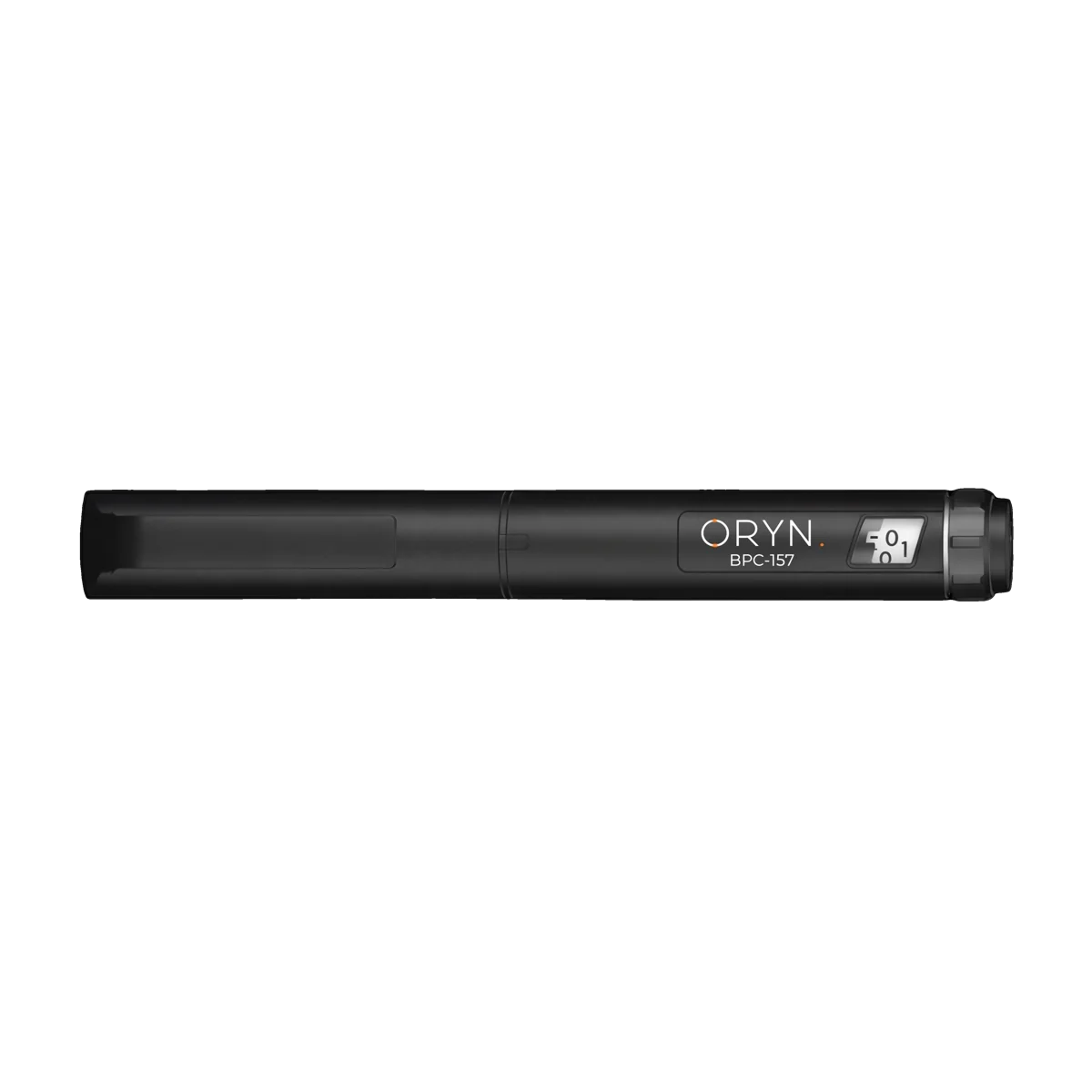
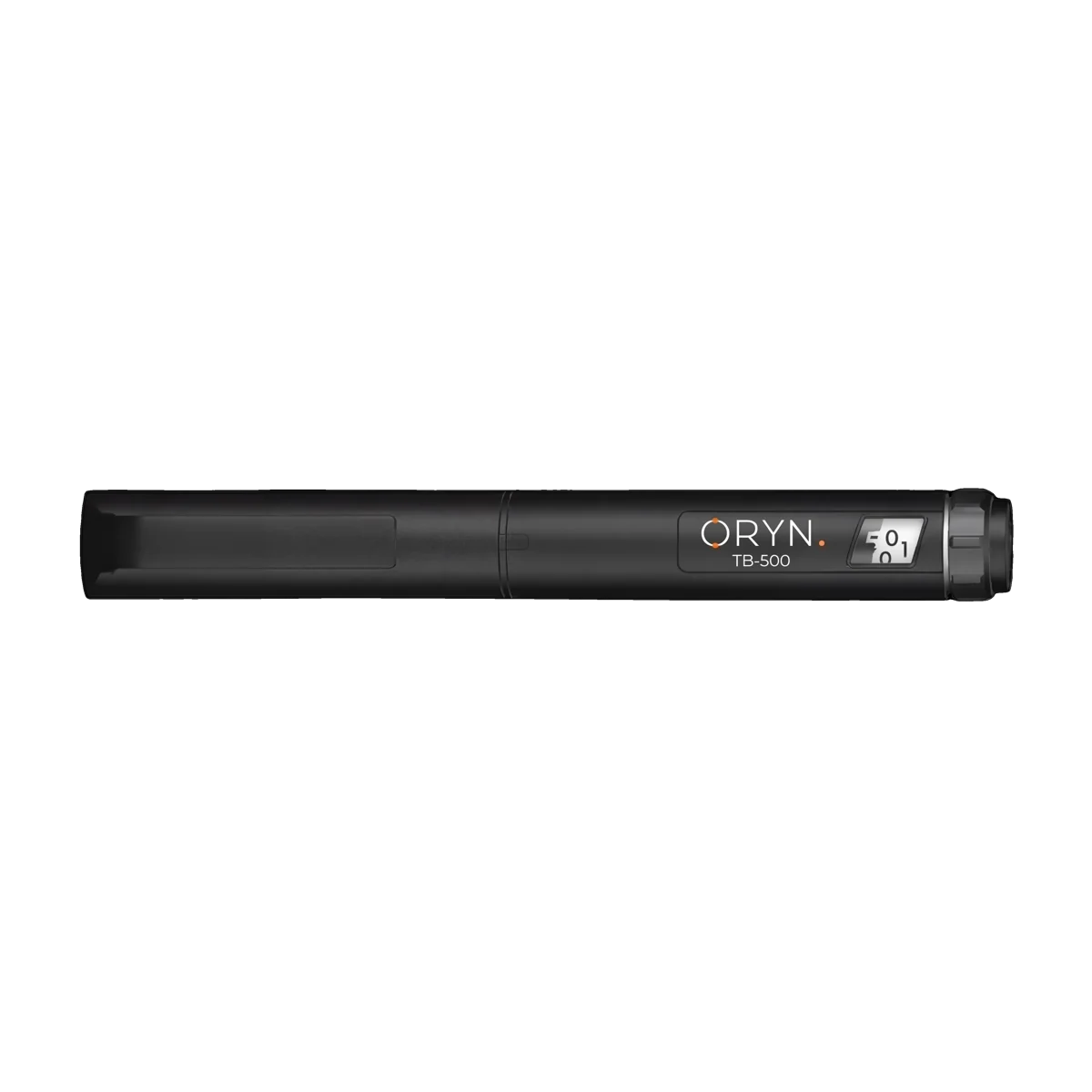
ORYN's QA team runs HPLC stability studies on every peptide product at three temperature set-points: 4 °C (refrigerated), 25 °C (room temperature) and 40 °C (accelerated degradation). The results are what we use to set the shelf-life and in-use windows printed on every pen label.
At 4 °C:BPC-157, TB-500, CJC-1295, Ipamorelin, GHK-Cu and the other standard peptide pens show <2% potency loss over 24 months unopened, and <5% potency loss over 30 days after first use. This is where the 24/30 labelling comes from.
At 25 °C:short-term room-temperature excursions of up to 24 cumulative hours introduce <2% degradation. This is the basis of our "it's OK to take the pen out of the fridge 15 minutes before a research session" guidance.
At 40 °C: peptide degradation is measurable within 6–24 hours depending on the specific compound. This is why tropical climate delivery, car dashboards, and direct sunlight are all no-go storage locations.
The one exception to all of this is freezing. Freezing a pen risks both cartridge cracking and plunger-seal dislodgement, either of which invalidates sterility immediately. Unlike a thermal excursion, freezing damage is not degradation you can measure with HPLC — it's a mechanical failure you have to assume. We always recommend discarding any pen that has been frozen, even if it "looks fine" after thawing.